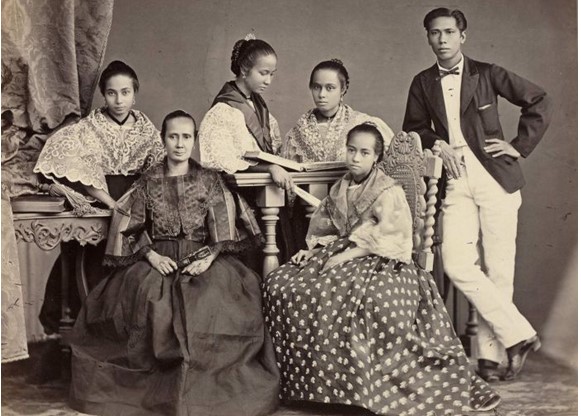
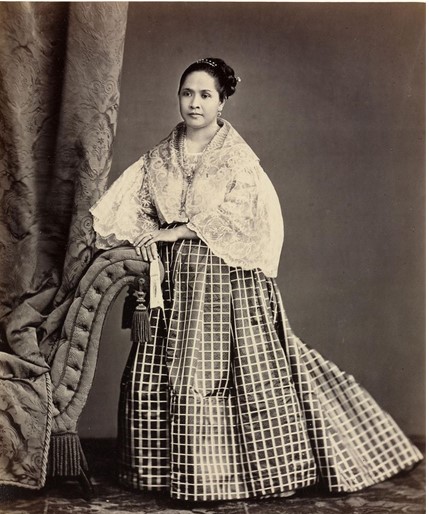
Fashion and clothing in the Philippines refers to the way the people of the Philippine society generally dress up at home, at work, travelling and during special occasions.
A Philippine lady, 1897
1890s woman wearing the Maria Clara dress
The clothing style and fashion sense of the Philippines in the modern-day era have been influenced by the indigenous tribes, Chinese waves of immigration, the Spaniards, and the Americans, as evidenced by the chronology of events that occurred in Philippine history. At present, Filipinos conform their way of dressing based on classic fashion or prevailing fashion trends.
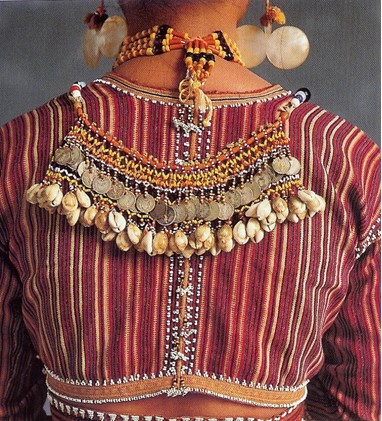
Apart from Western influence, the Philippine style of clothing was dictated by its climate. With a tropical climate (dry and rainy seasons), indigenous groups wore and to this day still wear colorful woven clothes, often with intricate beadwork and other ornam a type of a collarless shirt – which later became adorned with laces, trimmings, buttons, and a collar – was where from the Barong Tagalog evolved. On the other hand, the Bahag was a type of loincloth or G-string worn by certain indigenous groups.
Some Filipinos wear T-shirts together with denim jeans (locally referred to as maong) trousers for men and skirts for women. The “jeans and T-shirts” combination was introduced to the Filipinos by the Americans.[according to whom?]
Some also wear Madras type of shorts called puruntongs (singular: puruntong, a type of pair of shorts or Capri pants) combined with sleeveless shirts or T-shirts. During the rainy season and cold evenings in December and January, some Filipinos wear hooded jackets.
It is undeniable that Filipinos are quite very passionate about their fashion and style. They love to look for the latest trend of clothing and style that they can use for various. But most of all, Filipinos have a sense of fashion. They can always determine if a particular style of clothing or outfit is fashionable or not. In just a single glance, they can quickly tell if it “bagay” (fit for the one wearing) or “baduy” (poor style of clothing).
One of the things that you can appreciate in the Filipino’s sense of fashion is their adherence to appropriateness. Is the clothing or fashion style appropriate for a particular event or venue? Is it appropriate for the person wearing it? Whatever the style and trend of fashion, Filipinos would always adhere to what is appropriate to wear.
Filipinos wanted to look presentable and honorable in their attire. They don’t want to look “nakakahiya” (shameful) and lowly. It’s not a good idea to wear something humiliating on a particular occasion, or you will notice other people staring at you like an alien from outer space.
Fashion and Tradition
We cannot separate Filipino fashion and tradition. However, as time goes by, the essence and elements of tradition seem to fade away. This was due to western influences, but we can still see various elements in the traditional Filipino fashion.
You may be wondering why Filipino’s love to wear many “borloloys” or fashion accessories such as pieces of jewelry, gold, and decorations in the body. This was one of the pre-colonial period marks where you can see men and women wearing pearls and golden necklaces and bracelets, earrings, and many more.
Fashion and Tradition
Talking about the pre-colonial period, have you seen men wearing a half-sized and unenclosed jacket in many of our history books? When you go to the streets today, you can find men known as “tambays” who would habitually raise their shirts and expose their stomachs. It seems that they want to show that they are “busog” (full) but not “buntis” (pregnant).
Filipino Fashion
For the women, it was believed the Spanish have changed the naked outfits of the native Filipino inhabitants. They want them to look modest, so they changed the pre-existing garments such as Baru, tapis, and saya into morally acceptable dress modes. We know that the Spanish have strict moral standards. Therefore they want to impose modesty on women, especially on their clothing.
Filipino Fashion
Therefore, the short and half-sized clothing were changed. The Baru was changed to baro because they added lengthy sleeves on it. They also add “pañuelo” or fichu to conceal the chest area for women’s blouses. Then the saya, which is a skirt, was inserted underneath the tapis and not the other way around as what most people believe.
Filipino Fashion
We can find the elements of these restructured garments in many ternos even until this day. This is what they call the “Maria Clara” type of dress. Maria Clara is considered the ideal woman for her modesty in manner and clothing.
Here we can see that the ethnic traditional clothing was already changed and evolved into a more modest one as what the Spanish would prefer during that time.
Terno Fashion’s Golden Years
The peak of Filipino fashion is during the commonwealth period of the country in the 1930s. It is the era where the Filipino culture is clearly defined. It was in these years that you can see every Filipino design in interiors, graphics, jewelry, architecture, clothing, and many more.
Filipino Fashion
Indeed, it was in these years where Filipino culture and tradition is being promoted and patronized, mainly by the commonwealth government. Filipinos in this particular era are so proud of their culture and tradition.
There is this sense of clarity on the part of the artists wherein they are very sure of what they would design in their magazines, bulletins and signage, and clothes. You can see these all over the country as you look at buildings and establishments.
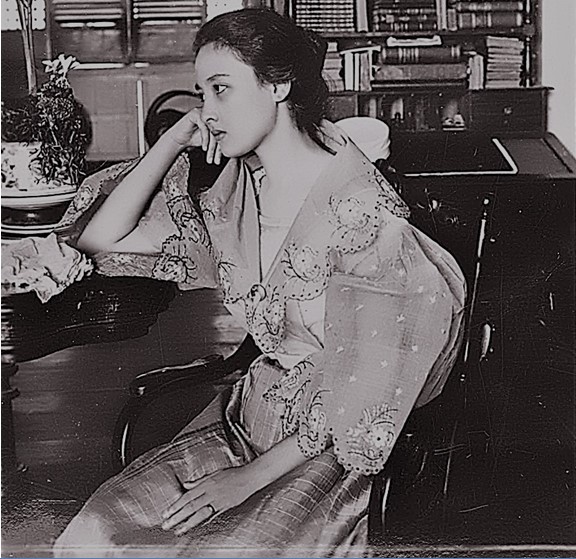
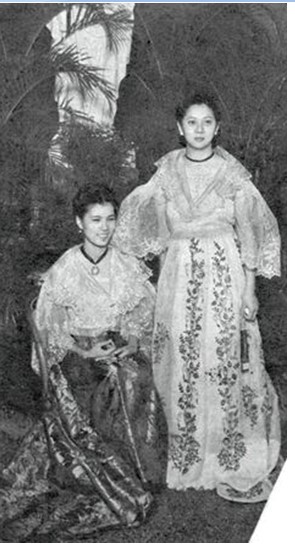
It was in this particular era where the “terno” is complete. You will find significant parts such as its “camisa” or “baro,” the skirt with train or saya de cola, corpiño or chemis, the large handkerchief or the “panuelo,” and the “sobriepalda” a tapis that is a more sophisticated one.
This is the particular clothing were women are proud to wear; even those that are selling in the market would love to wear this type of clothing.
How the Evolution Happened
Filipino Fashion
But what happened to the “Terno” that the Filipinos used to love and promote? Unfortunately, it did not survive the blows of time and change, unlike the barong Tagalog. Barong Tagalog is still widely used on various occasions and events. It is even used as uniforms in schools and offices and those who are leaders in the government.
There had been a lot of discussions and deliberations as to why barong Tagalog has a better survival rate than the terno or mestiza dress, its female counterpart. The relegation of terno or mestiza dress into a formal dress or a costume is unclear.
As we look closely, we can see that it all boils down to which one is more practical and easy to use. In this particular aspect, the barong wins because it is more comfortable to wear than the “terno,” which is very difficult with its butterfly sleeves.


And that’s all thank you from irene cabe Apple 11 🙂
 irene cabe Apple11